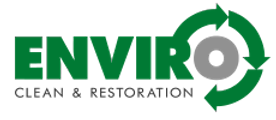
Clean water is water that does not pose a significant threat to people. It can come from malfunctioning water supply lines such as broken pipes, appliances, rainwater, heating and similar. In general, a clean water flood is safe to clean up yourself, as the water poses no immediate risk. However, in less than 48 hours, standing clean water can turn into Category 2: grey water.
Blog
The 3 Kinds of Water Damage, and What This Means for Your Home
If you've been a victim of water damage, the task ahead can feel overwhelming. Perhaps a pipe has burst, your washing machine has overflowed or, worse, your home has flooded.
Overview
The different categories of water damage
It's important to take a step back and assess what kind of water damage you have before attempting to repair it. Dealing with the wrong category of water damage without professional equipment can be unsanitary and potentially hazardous.
To help you deal with the problem faster, we've put together a quick overview of the different levels of water damage, and the recommended steps for each.
Category 1: Clean water
Category 2: Grey water (sullage)
Grey water contains substantial levels of chemical, biological or physical pollutants. It may be water that has been used for washing, carrying toxins such as detergents, food residue and bacteria - from dishwashers, washing machines and toilet overflows. It may also be caused by a mild weather event.
Take great care when dealing with grey water damage, especially if the area is extensive. Though it contains fewer pathogens than black water, it still contains toxins and can cause illness.
For safe cleaning and decontamination of the area, it is highly advisable to hire professionals, and to get in touch quickly, as the clean-up should begin as soon as possible. In less than 48 hours, standing grey water can turn into Category 3: black water, which in some cases causes damage that cannot be salvaged.
Category 3: Black water
Black water contains toxic chemicals, harmful bacteria and fungi that can cause severe discomfort or disease. Contact with it is unsanitary and hazardous. Black water can come from sewers, septic backflow, toilet overflow containing faeces, and lake or river flooding.
This is the most dangerous category of water damage, and you should not attempt to clean up black water on your own. If you suspect black water damage, call the professionals as soon as possible.
Have a water damage emergency?
Call 0800 222 379, or read more about our water damage restoration service.
In their words
The people we've helped say it better than we can
I wish to compliment very highly the staff member who came and cleaned my carpet. He was early, polite, efficient, very helpful and completed a wonderful job for me. Such good service should not be unrecognised
The Kidney Society would like to thank your company and your carpet technician for cleaning and re-stretching our carpet. It has come up fantastic and we are really pleased and very grateful. Thanks again for the work that was done it is really appreciated.
Blog
More articles
What Not to Do if Your Property Has Been Flooded
Four mistakes to avoid after a flood: waiting, lifting wet materials, using electrical appliances, and trying to fix it yourself.
Read more5 Steps to Effectively Dealing with Water Damage and Flooding
What you can safely do while you wait for help: check for danger, remove water, protect furniture and belongings, and call a professional.
Read moreQuestions, answered honestly
Frequently asked questions
Does insurance cover this kind of clean-up?
Usually, yes. Most home, contents, landlord and commercial policies cover biohazard remediation, water damage and contamination clean-up, though meth cover varies by policy. We check this with you on the first call, document everything to insurer standard and deal with your insurer directly. Where the policy allows, we invoice them — not you.
What is Category 3 water?
Category 3 — often called black water — is water that is grossly contaminated: sewage, backflow from drains, floodwater that has crossed ground or farmland. It carries bacteria, viruses and parasites, so anything porous it touches usually can't just be dried; it has to be removed or properly decontaminated. That's why Category 3 jobs need specialists rather than a general cleaner.
How long does meth decontamination take?
A typical three-bedroom house takes one to two weeks from decontamination to clearance, depending on contamination levels and how many surfaces are affected. Screening results come back within about 48 hours, and we quote from those. Heavily contaminated properties or former lab sites take longer. We give you a written timeline up front and keep you updated throughout.
Is my property definitely safe afterwards?
Yes — and we prove it rather than ask you to take our word. Meth jobs finish with independent clearance testing against the NZS 8510 standard. Trauma and sewage jobs finish with verified surface testing and a written clearance report. If any reading isn't where it should be, we re-treat at our cost until it is. You receive the documentation to keep.
Will the neighbours know you've been?
No. We arrive in plain workwear, and our team never discusses a job with anyone but you. Discretion isn't an optional extra for this work — it's the foundation of it. If you have specific concerns, such as shared driveways or a body corporate, tell us and we'll plan around them.
What happens to contaminated items?
Anything that can't be safely decontaminated is removed, packaged and disposed of as controlled waste, with a disposal record for your insurer. But we treat that as a last resort — sentimental items in particular. Tell us what matters to you, and we'll do everything possible to save it. Nothing leaves the property without your sign-off.
How quickly can you get here?
For emergencies — trauma scenes, sewage, active water damage — our average response is around two hours in main centres, and we cover the whole country. The phone is answered 24/7 by our own staff, not an answering service, and we'll give you an honest arrival time on that first call. Non-urgent assessments are usually booked within a day or two.
Can I stay in the property while you work?
Often, yes. We contain the affected area with sealed barriers and filtered air so the rest of the home stays safe to live in. For whole-house meth decontamination or major sewage events you may need to stay elsewhere for a period — if so, we'll tell you straight away, and temporary accommodation is often claimable under your policy.
How much does it cost?
Every job is different, so we won't quote blind — but the assessment and quote are free, in writing, and fixed before work starts. Where insurance applies, which is most of the time, your real cost is often just the excess. There are no call-out fees for quotes and no charge for talking a situation through on the phone.
Do you provide a clearance certificate?
Yes — every job ends with written clearance documentation. For meth that means an independent NZS 8510 clearance report; for water and trauma work, a completion report with photos, readings and disposal records. It's the paperwork landlords need for tenancy files, agents need for sales, and insurers need to close the claim.
Qualified and accredited
Contact us
We're here whenever you need us
- 24/7 emergency line
- 0800 222 379
- Hours
- 24 hours, 7 days — including public holidays